The Film
A man searches his memories for the moment that could save his life. But what if that moment has already passed?
A man searches his memories for the moment that could save his life. But what if that moment has already passed?
After reporting a gang of thieves to the police, Mitin becomes the target of a violent act of revenge. As reality begins to fracture, he finds himself trapped in recurring fragments of his own memories. Searching desperately for the moment that might change his fate, Mitin is forced toward a truth his mind refuses to accept.
.jpeg)
.jpeg)
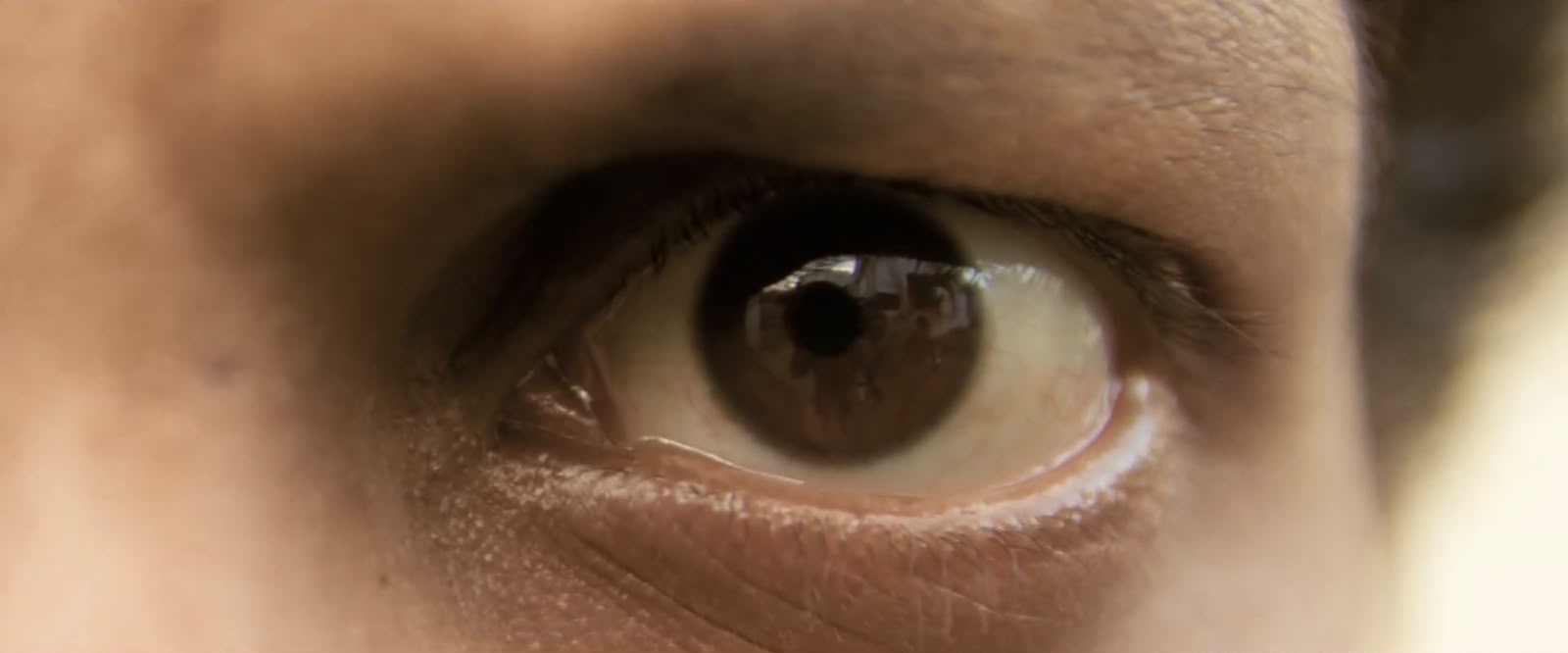
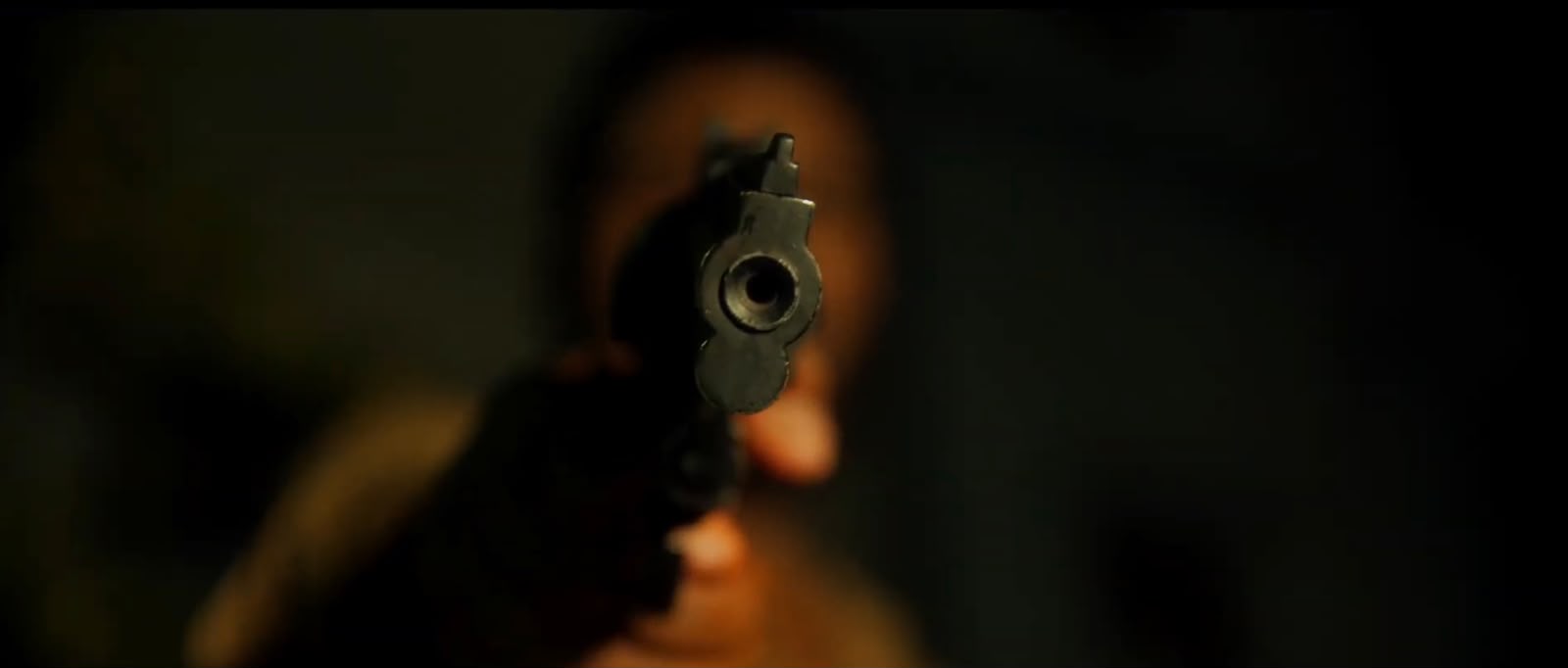
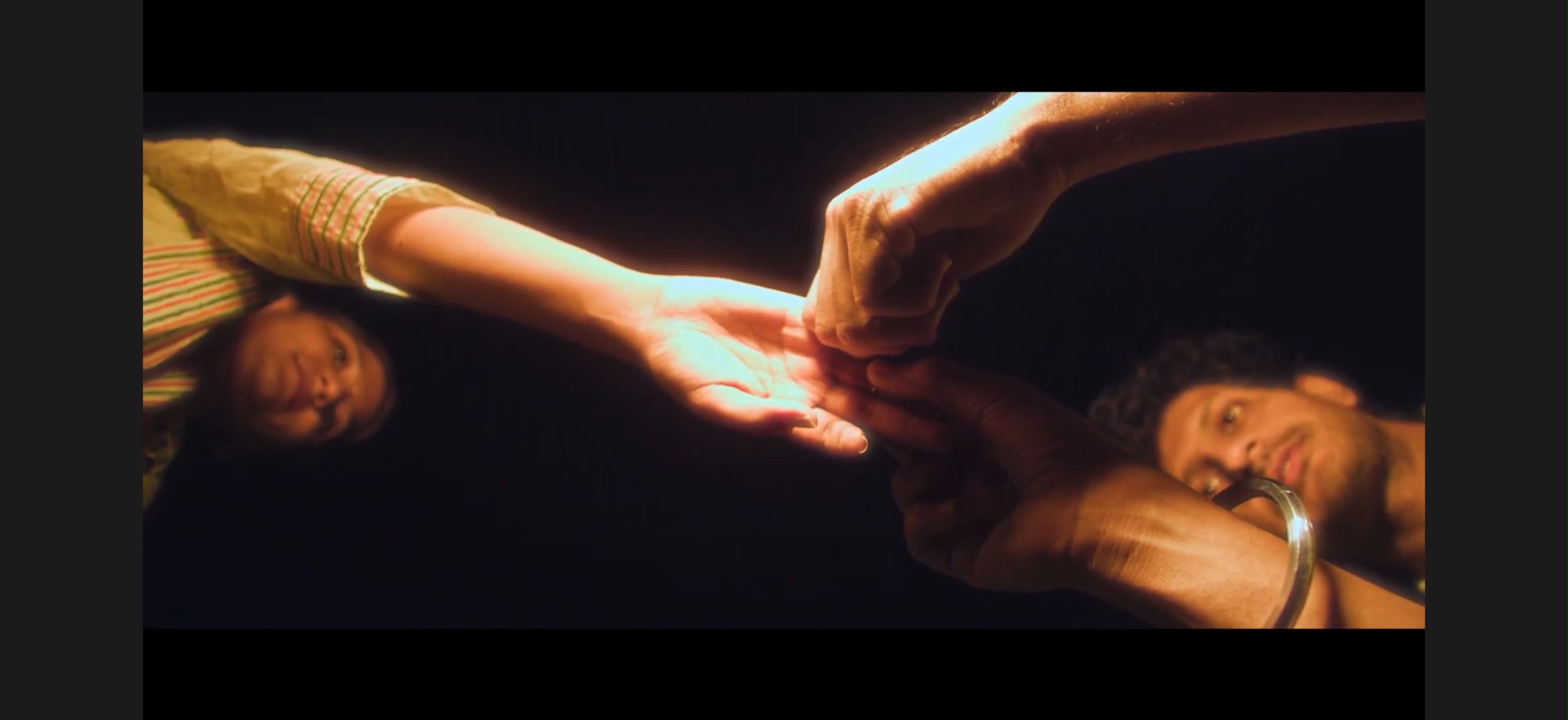
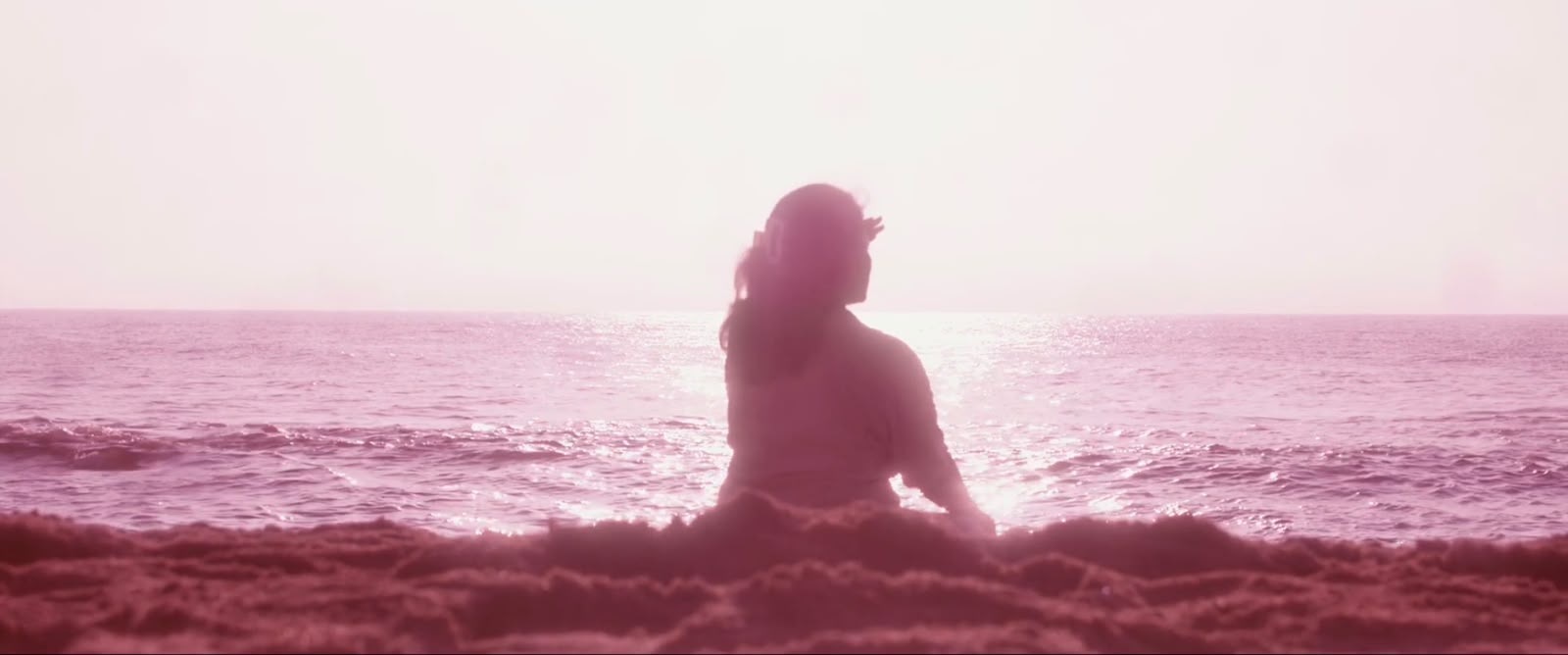
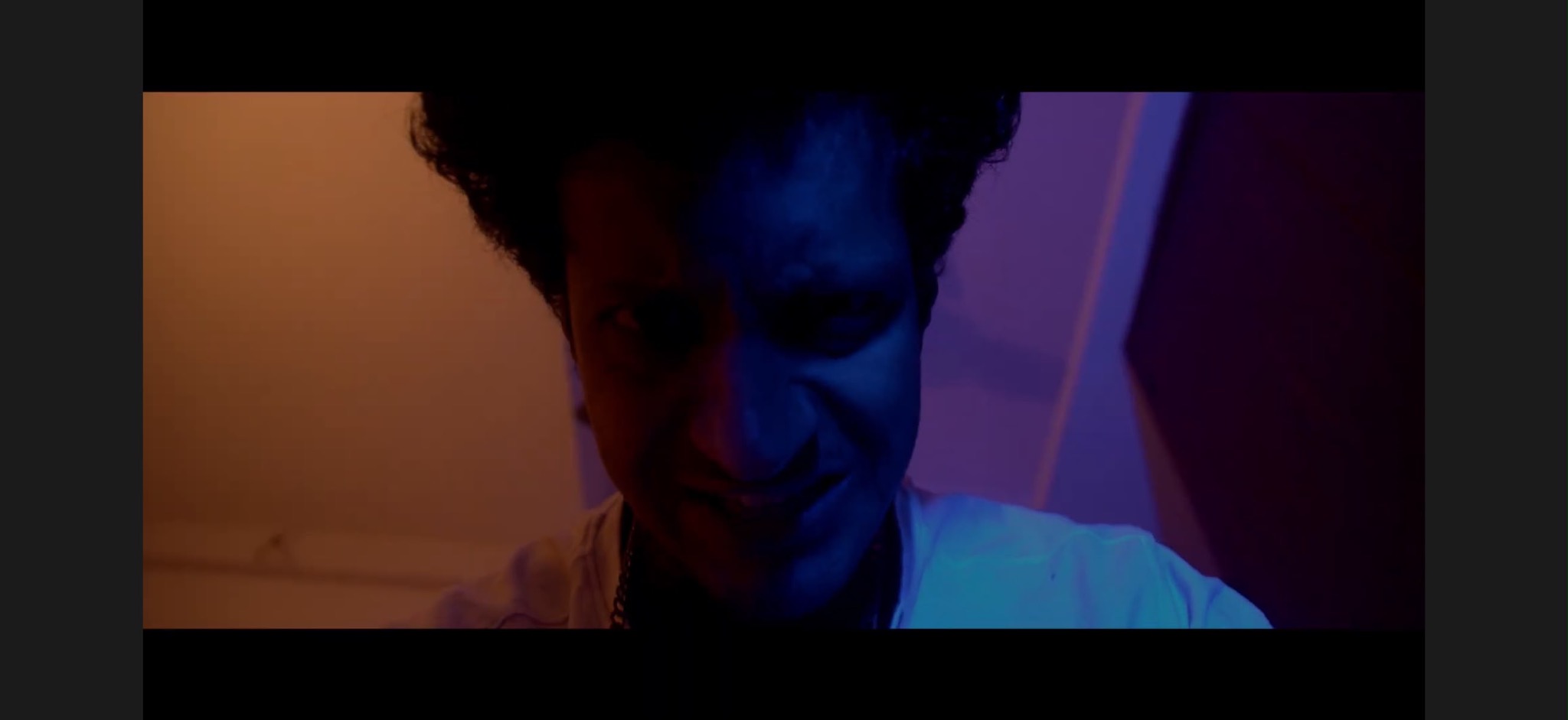
A curated selection from the final colour grade—violence, memory and perception moving between darkness, saturated interiors and an almost dreamlike shore.
.jpeg)
.jpeg)

.jpeg)
.jpeg)
.jpeg)
.jpeg)
.jpeg)
.jpeg)
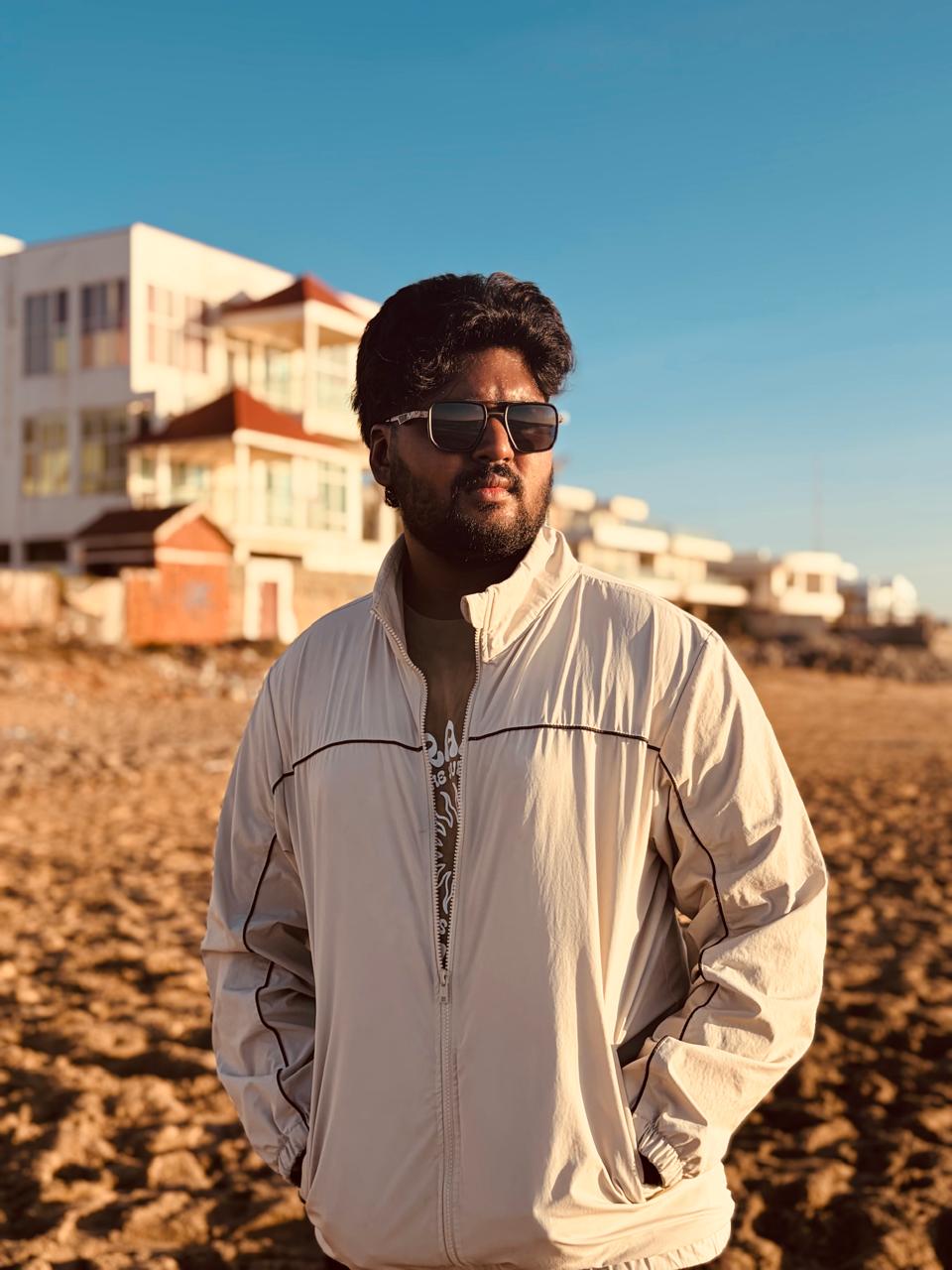
With SWANSONG, I wanted to explore the strange space between life and death, and the fragile boundary between reality and perception. Of all humanity’s discoveries, the human brain remains perhaps the greatest mystery of all.
The idea for this film came to me during one of the most difficult periods of my life—the loss of my grandparents. Watching them take their final breaths left me with grief, but also with questions I could not escape. What happens inside a person’s mind during those final moments? What do we see? What do we remember? What do we hold on to as life slowly slips away?
At its heart, the film is about our human need to find meaning in things we cannot change. It explores memory, guilt, denial, and our desperate instinct to search for an escape even when the truth has already arrived.
Visually and narratively, I wanted the film to exist somewhere between memory and reality. Images, dialogue, characters, and moments repeat, but their meanings begin to change as the story progresses.
Ultimately, I want the audience to arrive at the same understanding that Mitin does: the beauty of life lies in its impermanence. The fact that life ends is precisely what gives it meaning.
